

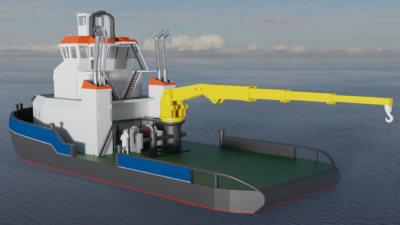
I am a big fan of marine offshore operations and consequently Offshore Service Vessels (OSV). Out of the interesting range of vessels from that field of marine businesses, I have a special liking in versatile ships like AHTS vessels. AHTS is an acronym for „anchor handling tug supply“, a group of ships somewhere between an offshore tug and a Platform Supply Vessel (PSV), designed for towing, the installation and decommission, as well as (re-)mooring and supply of offshore installations (mostly fossil fuel rigs, but also pipelines, cable – subsea ROV support and energy related infrastructure like wind turbines) and their support platforms.
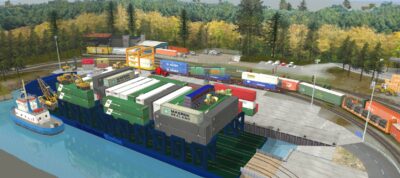
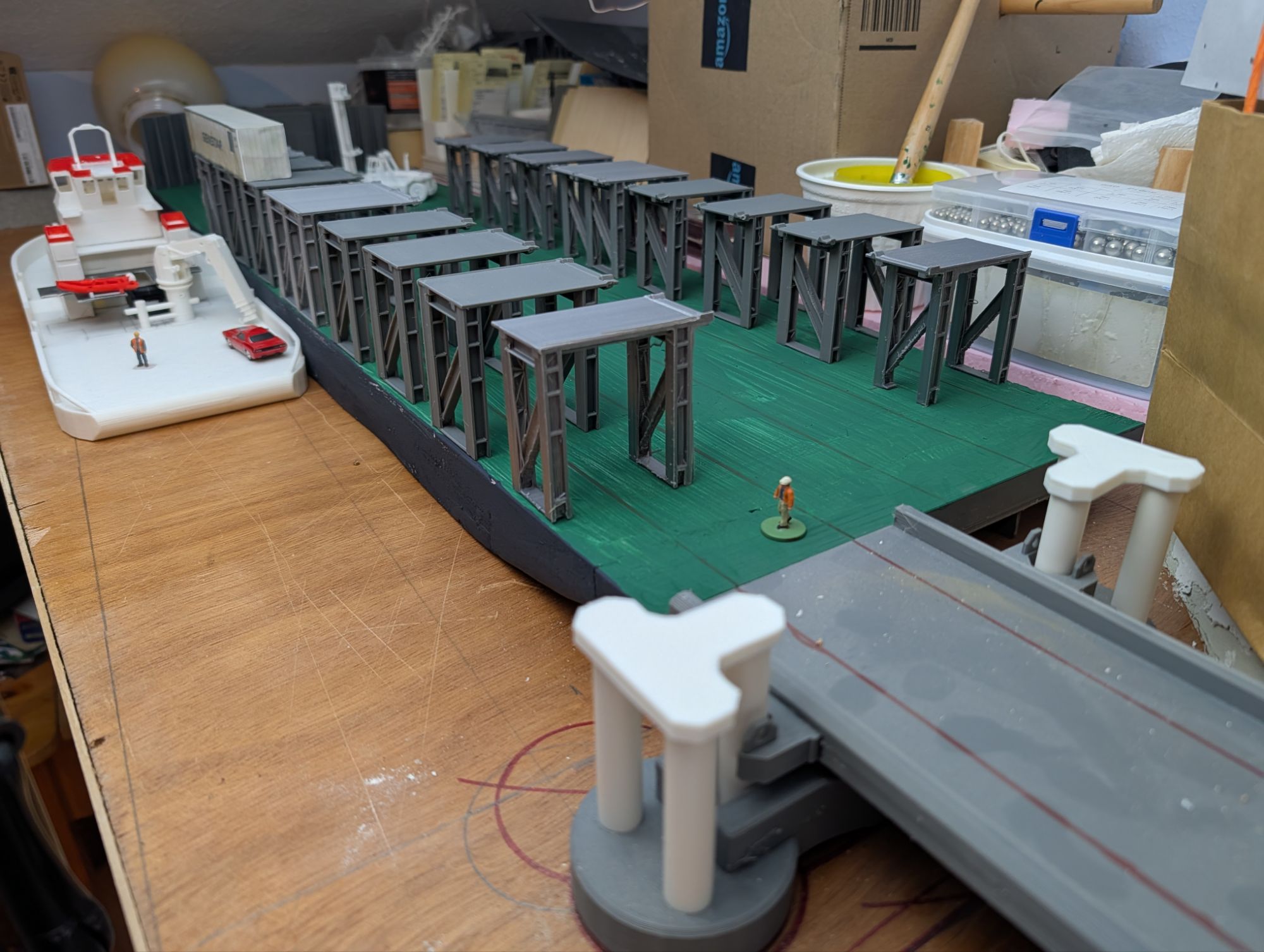
The current state of the barge or car float hasn’t changed much. The main reason I built the preliminary hull was to help with the track laying for the barge slip, to gauge space requirements, track heights and such. So this photo is a little bit older, but it captures, how the custom 3d object I put into Trains (above) translates into the actual model.

In search of a prototype vessel
Meanwhile I searched for real world examples of vessels filling that precise role. The Damen Shoalbuster vessels seems to be very fitting examples resembling the role of my boat.
Here is a deep-link to the specs (PDF) retrieved via search engine. Please note, that Damen restricts access to registered users of their site (which also includes the occasional contact by a sales representative via e-mail).
So, I need a better boat!

I started work on the Shoalbuster which is planned to become a fair representation of the Damen Shoalbuster 3612, which is so far the largest Shoalbuster at 36 by 12 meters dimensions, which translates into a waterline hull of just about 40cm in length (15,75in). Well, technically the Damen Shoalbuster 3514 is quite a bit bigger (it’s 1m shorter, but 2m wider and has four (4!) Kort Nozzle drives), but it’s shorter, so it lies in the perspective of the reader.
I consider this the perfect size for a ship in HO scale that isn’t meant to dwarf the layout itself. Just imagine a 100cm (3ft 3,37in) AHTS next to a barge of the same size on a layout section barely twice the size. And further imagine all this on the front side of the layout. It would completely block the view, dwarf the layout and overwhelm the viewer’s focus for it’s massive presence. Not stating the modelling feat itself. So the comparatively small Shoalbuster is the ideal vessel for my pike.
After I decided to build the actual shoalbuster for my final model. The previous ship will still serve as a stand-in or backup vessel during layout construction. Or simply a second tug in the BC Northern Marine fleet.
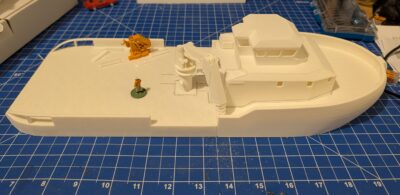
It will receive most of the lighting and functions of the larger model, but lacking the MCU programming and servos/motors for basic crane operation. This will be exclusive to the model of the prototypical Shoalbuster, because building a functional micromodel of a crane isn’t easy to do and costs money better spent elsewhere.
It even remains to be seen whether the Shoalbuster actually gets an R/C operable crane, mainly for two reasons. Miniaturisation of the „hydraulics“ and Ease of maintenance/ implementation for realtime control of the crane functions.
It may be cool to remote control the lights on the boat, but the simplest solution in the end might just be a bunch of switches underneath the hull to turn various light patterns on or off. It is totally feasible to control lights and continuously operating details (radar) via MQTT command, but not realtime crane operation. That might require a different approach using MCUs with WiFi or Bluetooth or actual R/C components. I’ll likely go for either the simplest or the most interesting variant when the time comes.
The Shoalbuster – a small AHTS
The term „Shoalbuster“ is Damen Shipyards name for this kind of utility ship, which has proven so versatile, that they keep getting larger and larger in recent years. The term has indeed become the defacto name for this ship type and is used here for descriptive purposes, which should not imply any endorsement or affiliation with Damen and also not to imply any copyright ownership of the term. It also does not mean that my model is derived from any original vessel data, but only derived from, measured and guessed from specs, drawings and photos found online, which I should assume is data Damen wants to be known about the vessels.
Deciding on a concrete prototype ship took me a while. Damen Marine Services has a few Shoalbuster 3511 for charter, of which the DMS Stork is a very interesting ship. However, that means redesigning the superstructure, as it features a taller build and a tiny enclosed control house on the top deck, where there are also fire monitors installed. I’ll keep the hull, though. The 3511 is a bit smaller than the 3612, but that gives me a bit more wiggle room for functional details like the crane.
The Hull
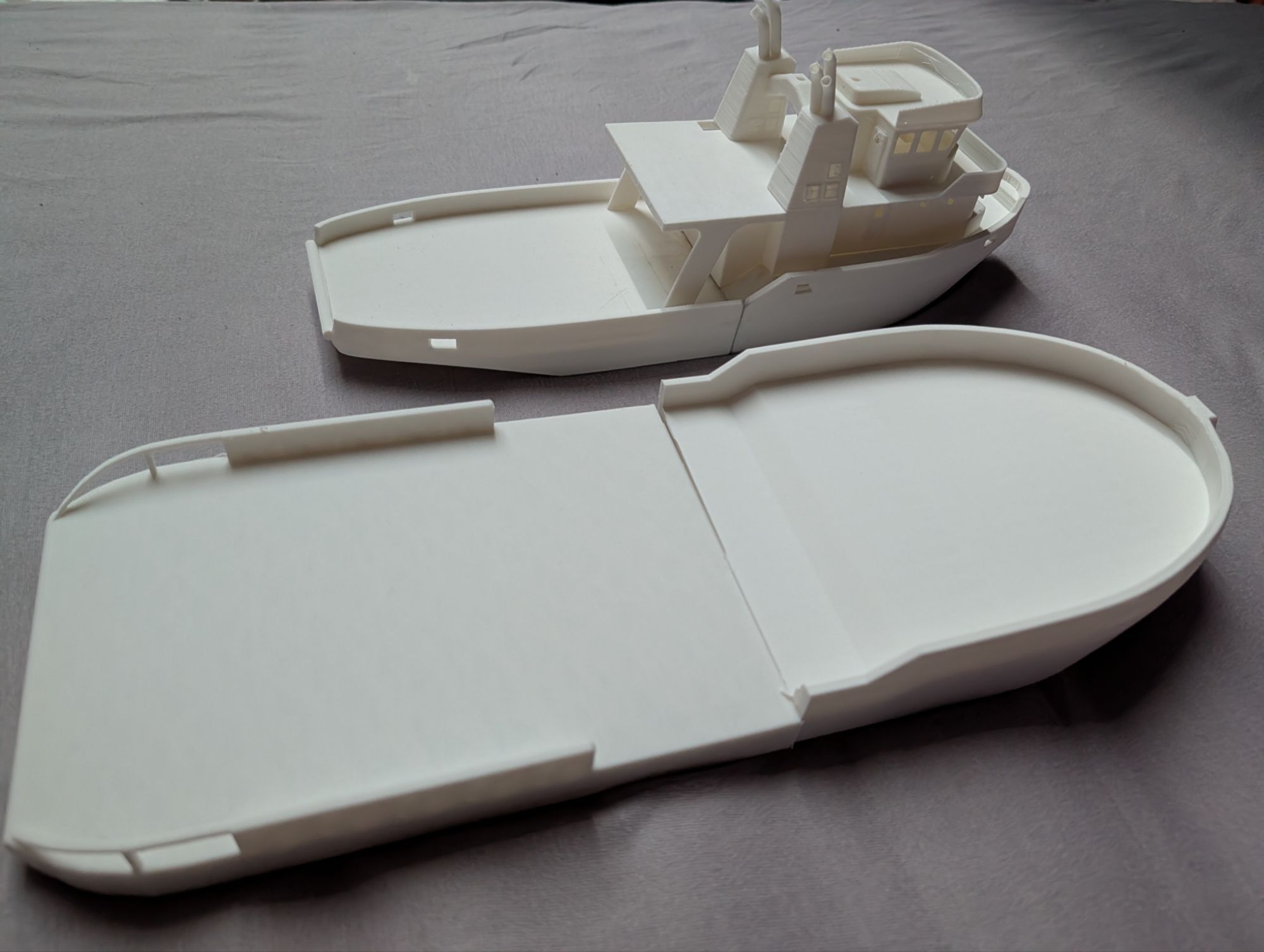
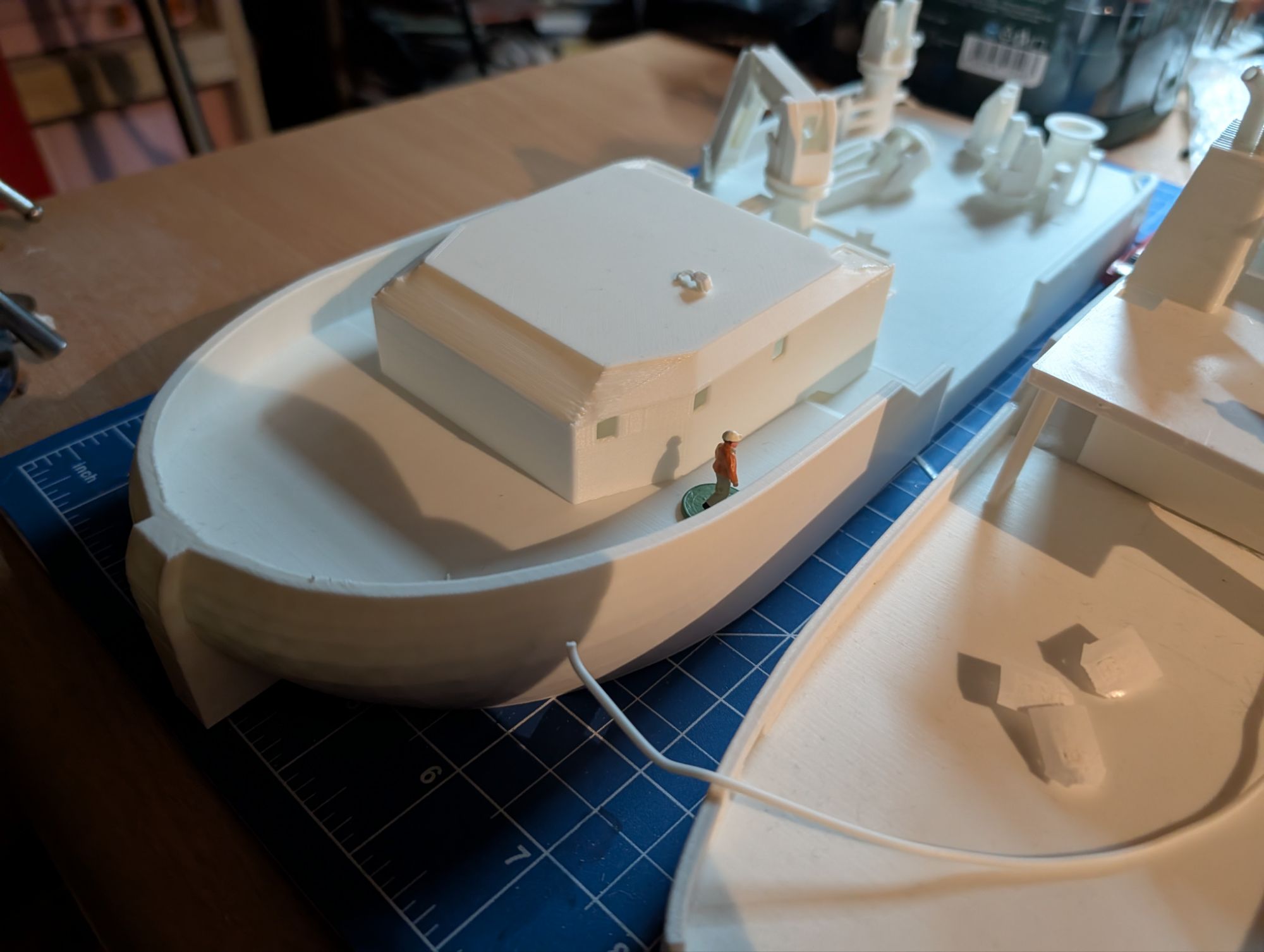
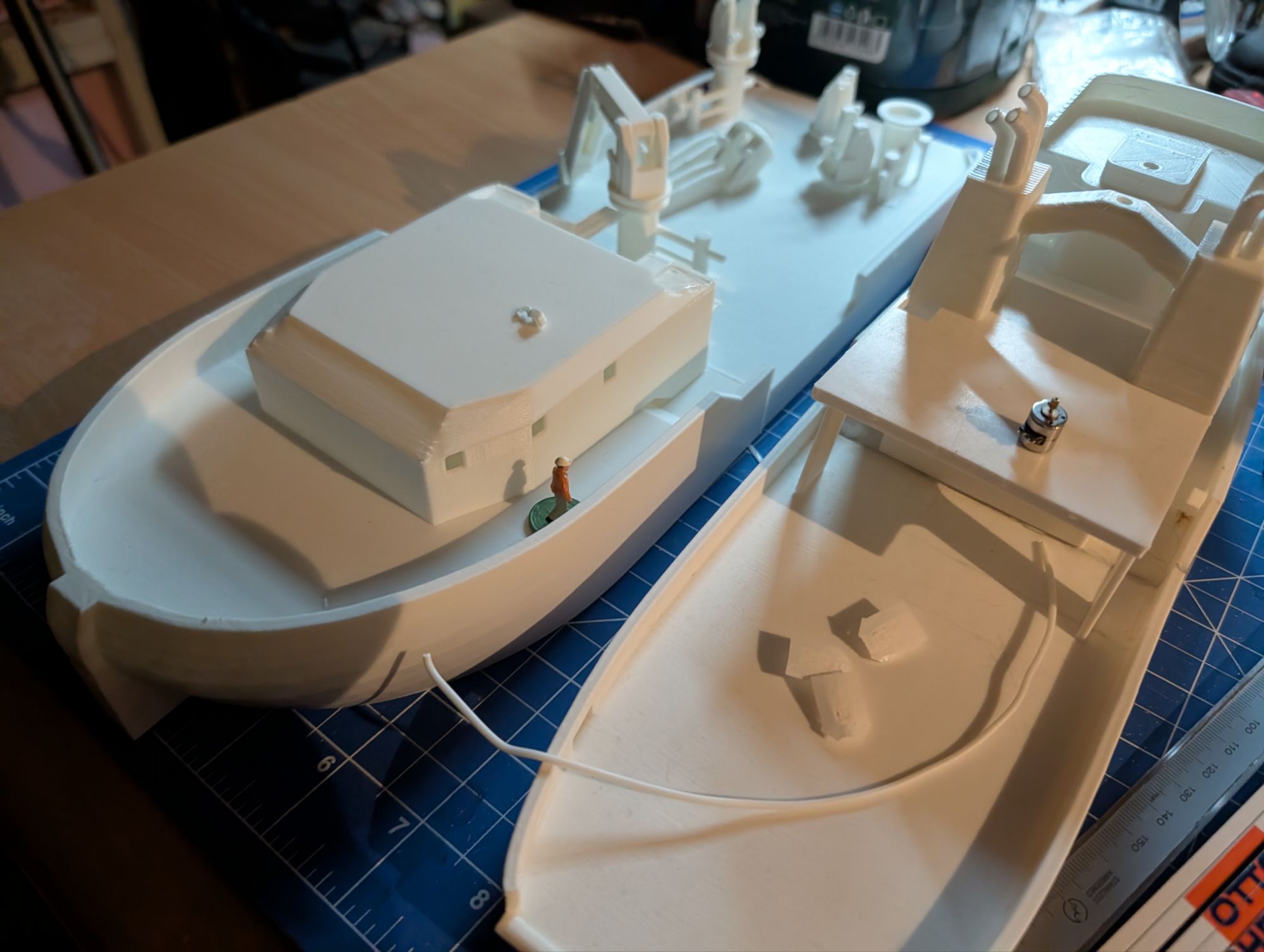
I printed the basic hull pieces out overnight – that was 15 hours each, but I have 2 printers, so that was 15 in total – and here is a first glimpse.




The Shoalbuster is also quite big in many regards. Though build to suit the needs of coastal waters and harbours, it is none the less very ocean-worthy. Well, let’s face it, though small, the north sea is a harsh mistress and any ship developed in countries with access to it, is storm-fit and made for this sea. So these vessels are tough little sisters of full size AHTS vessels and well capable to cross the Atlantic, as this video illustrates.
Superstructure
Most of the superstructure is done. I’m thinking about replacing the gantry section with see-through grating, though.
Some of the renders still show the old variant for the standard Shoalbuster 3612, which has been replaced by a superstructure similar to the DMS Stork (Shoalbuster 3514).
Deck Features

Working on the AK Marine AKC 290 LHE3 Telescopic Knuckle Boom Crane. For practicability it is slightly larger than the original (at around 1:75) and the first telescopic boom is attached on the outside of the knuckle boom, as I intend to implement at least one or two functional booms of the three telescopic booms. As the 3612 ist quite large, I might even get away with a still larger version of the crane. Maybe 1:64.


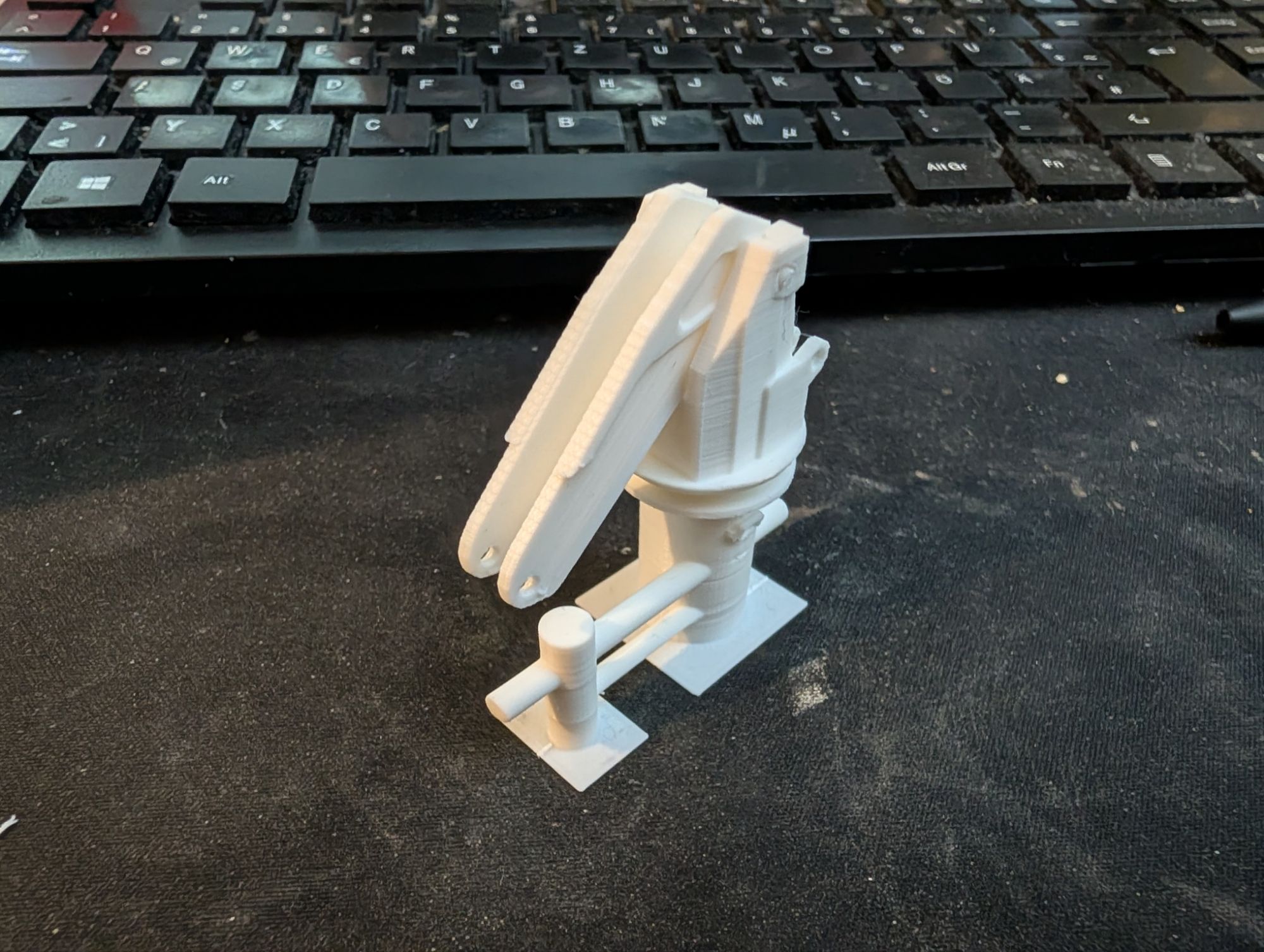
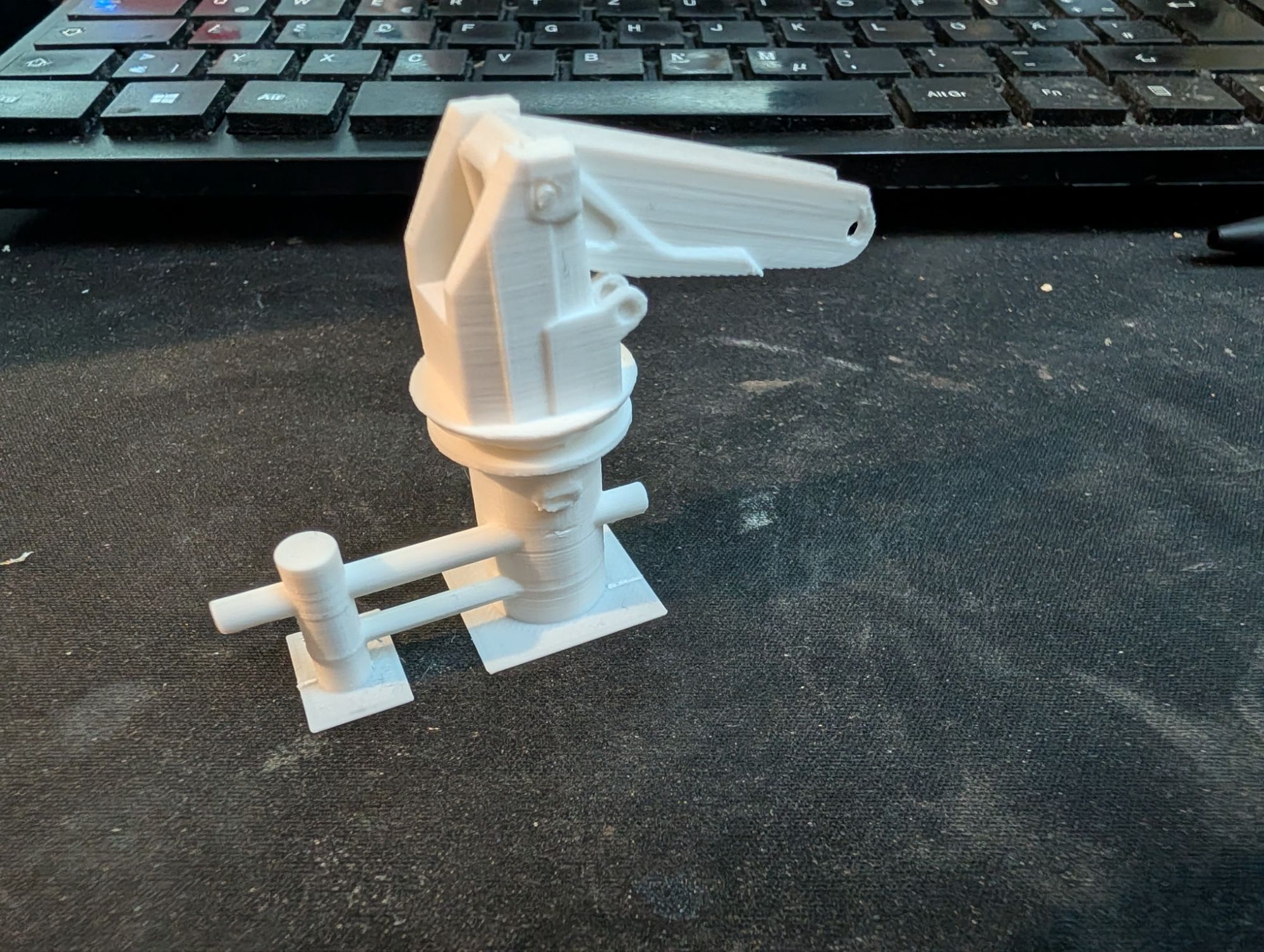
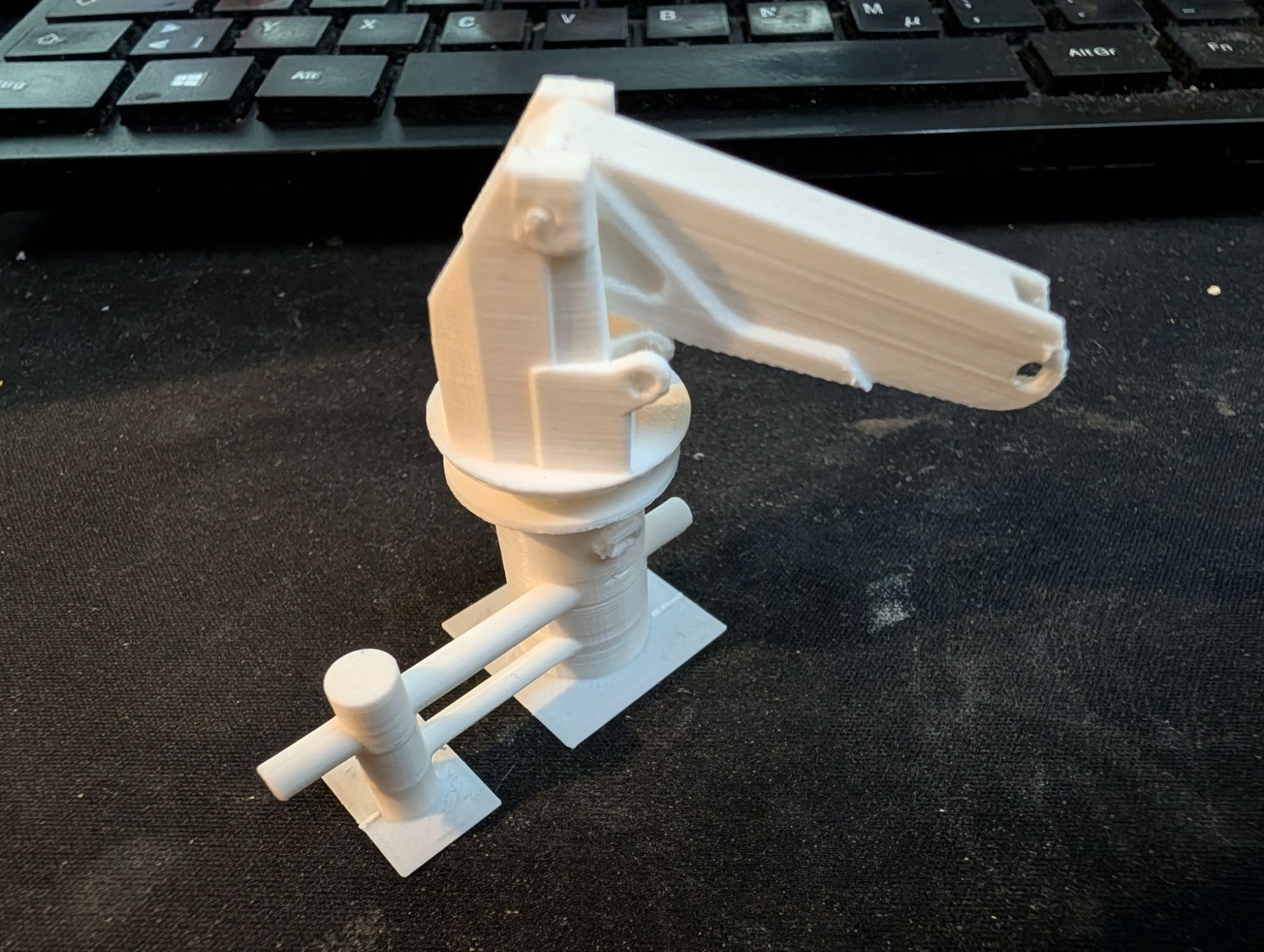
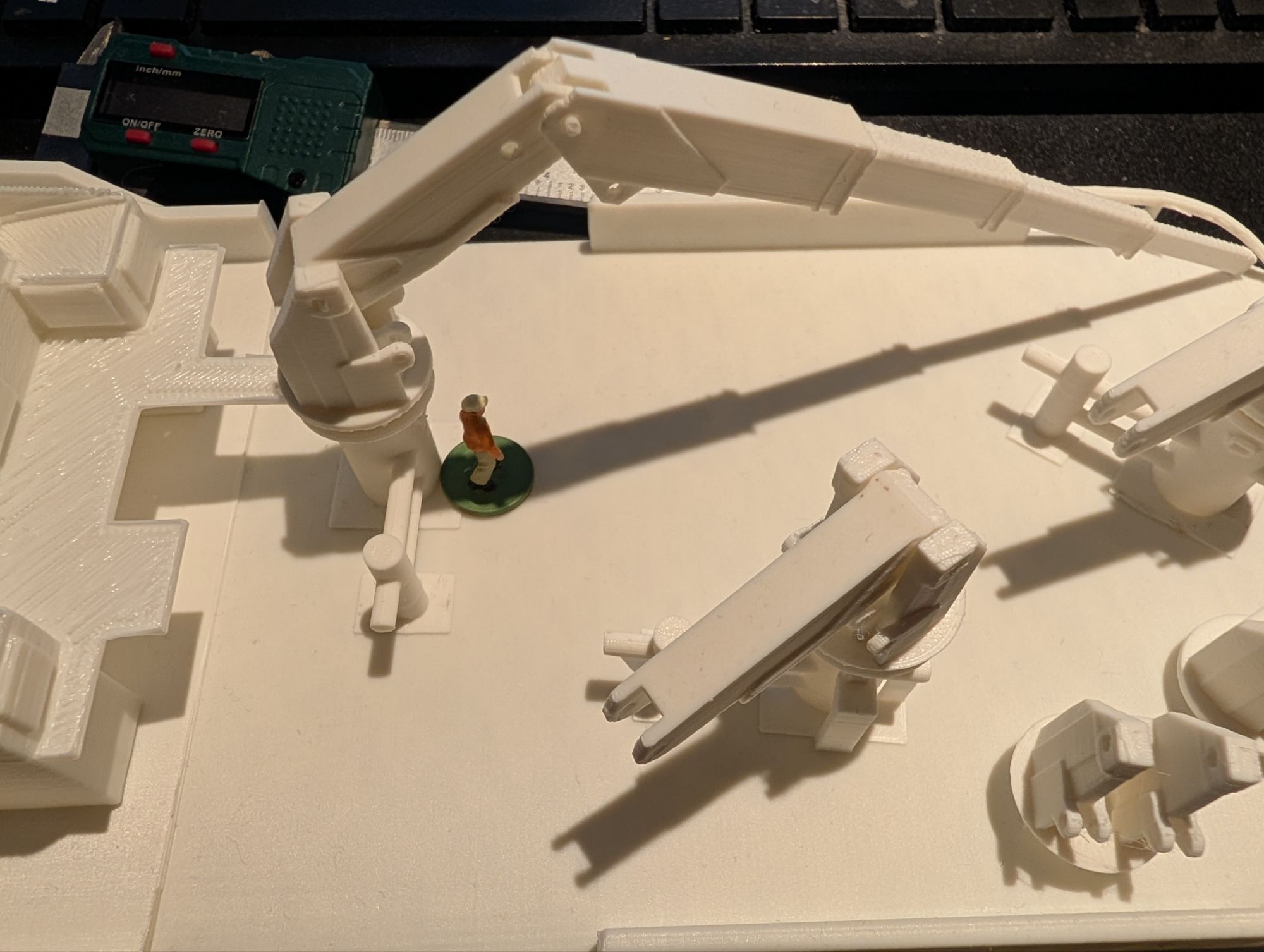

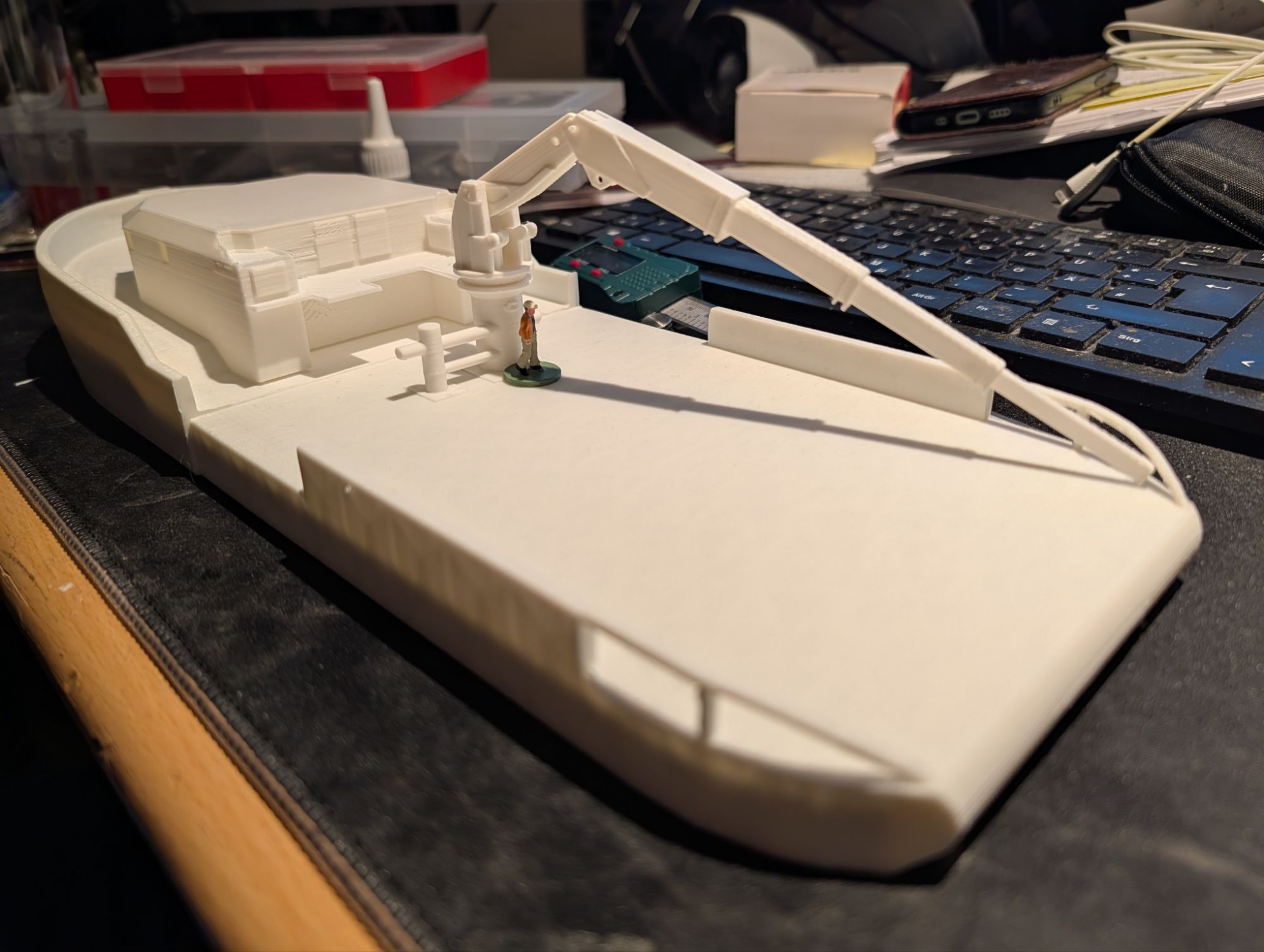
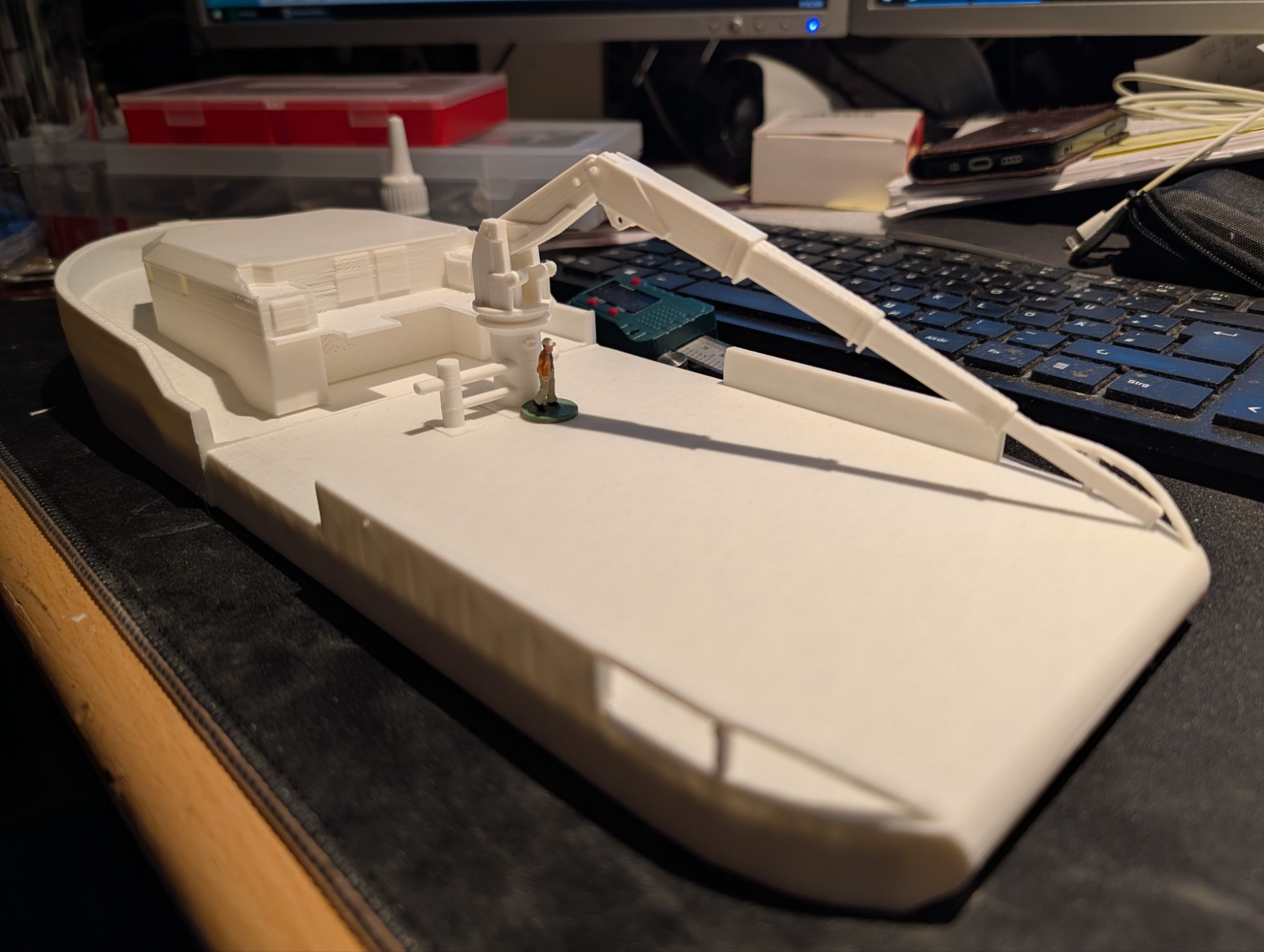


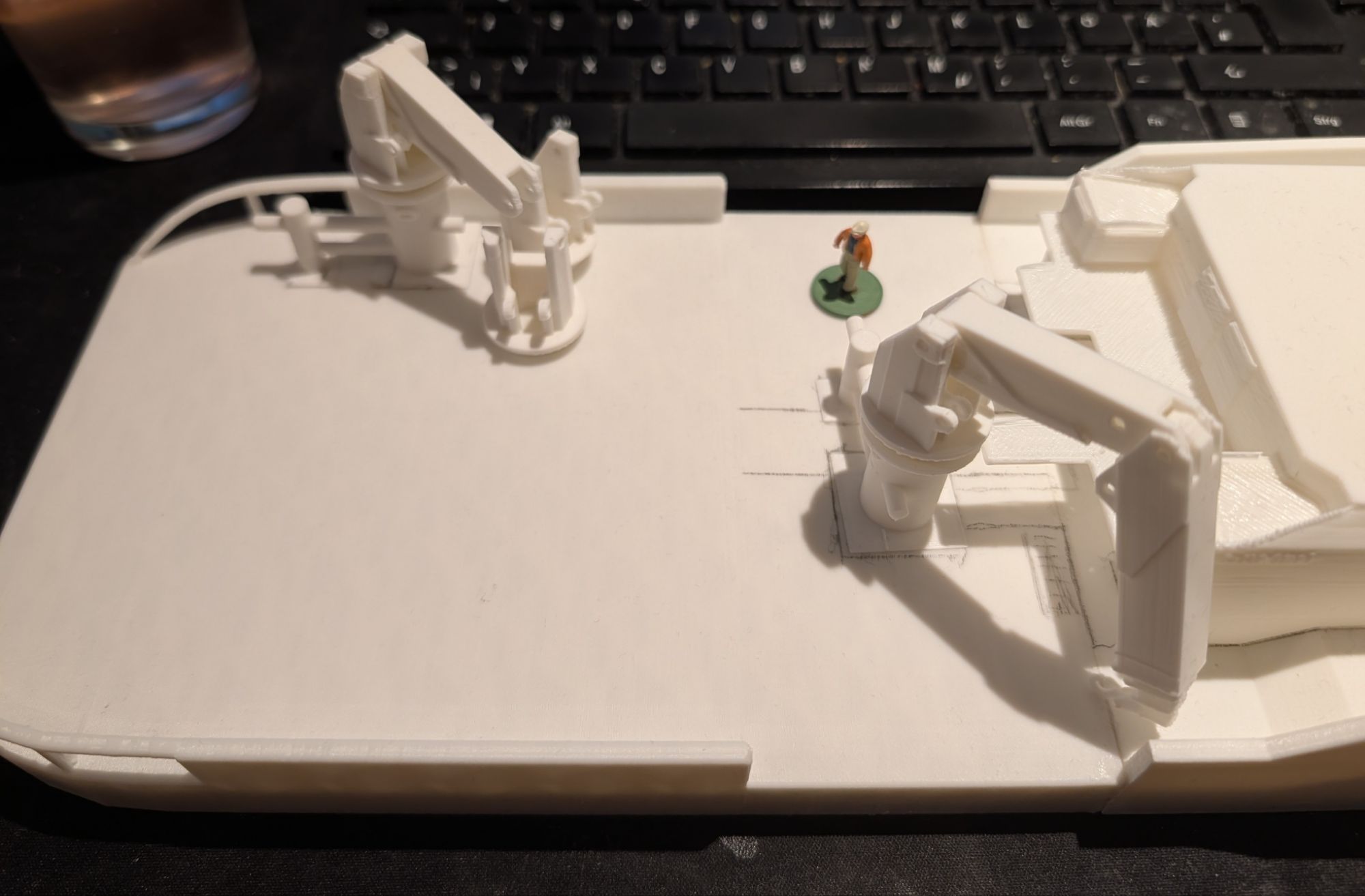
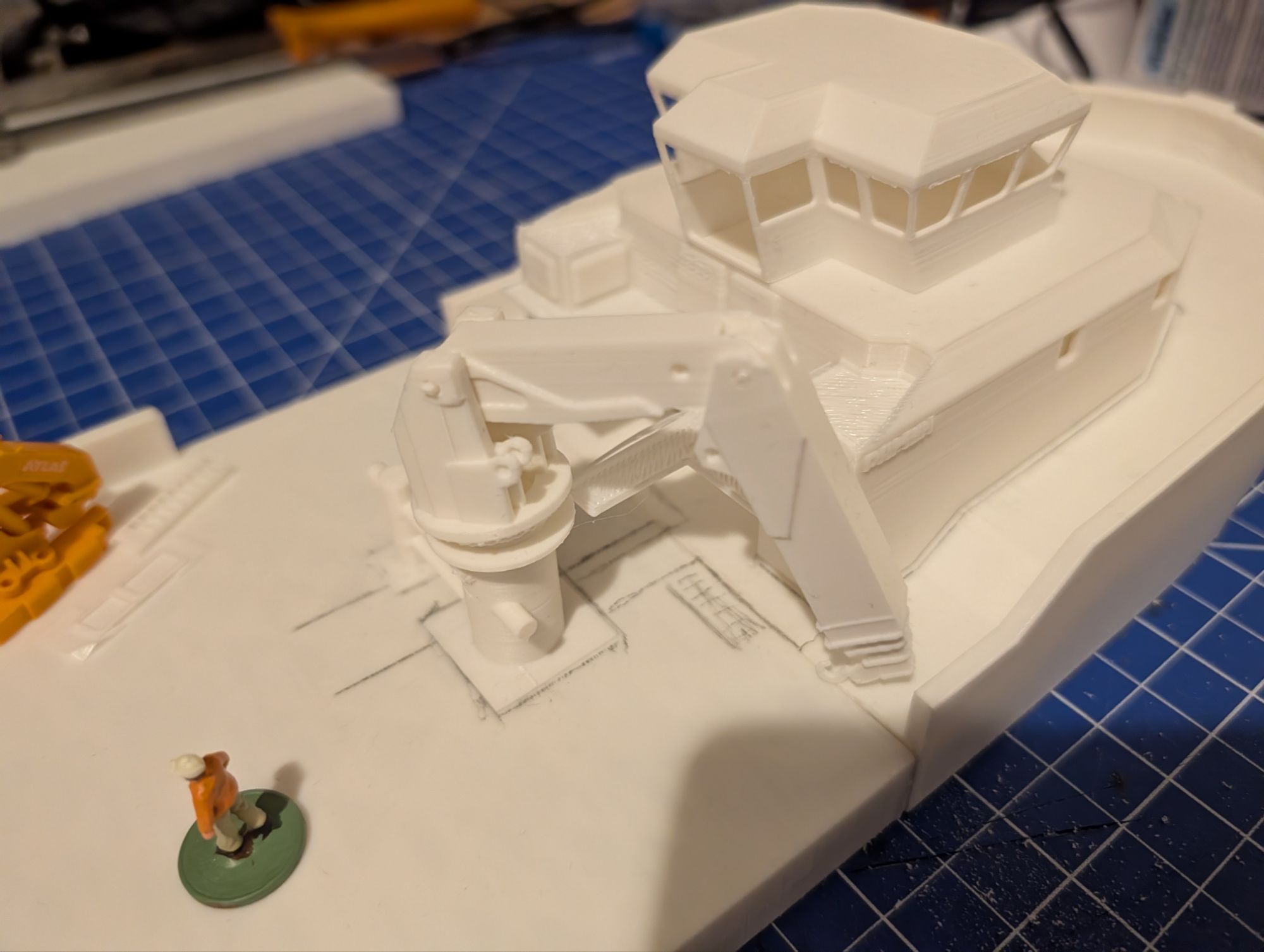


The crane is quite a challenge. Especially since I decided to make it operational. Installing a geared motor to turn the boom shouldn’t be much of a problem, but simulating the hydraulics is a real feat.
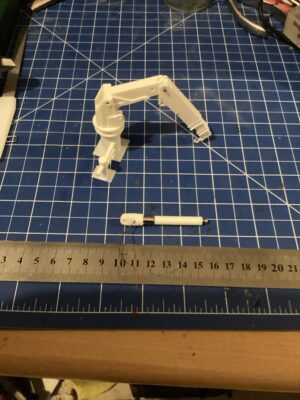
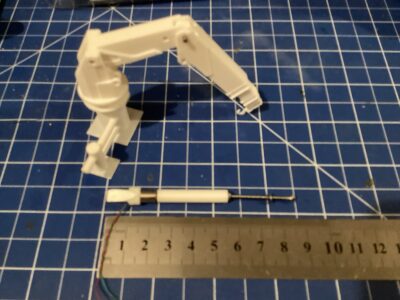
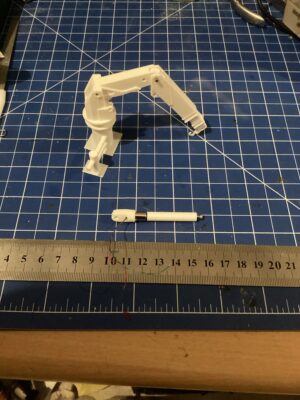
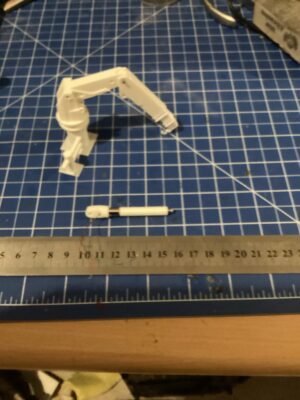
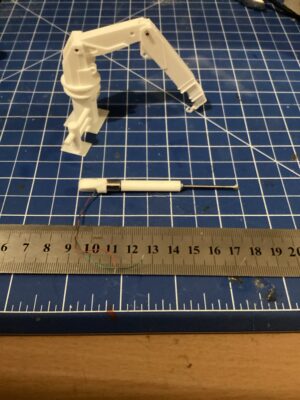
The small motors have arrived, but I couldn’t bring myself atlrohnd to build a prototype. When I finally do, I will start with the smallest required size as bigger shouldn’t be mor complicated.
Interior / Bridge
The wheelhouse had been replaced with a two story arrangement with a tween deck or main deck above the forecastle deck. As the actual deck layout is staggered and the gantry for accessing crane and dinghy is placed in between the two decks at a different height.
However the bridge got a tug console for the helmsman and will receive more furnishing, like a winch/crane console to the rear, a navigation table and a small pantry for on duty/watch pauses and operational meetings.
A tour of the vessel
Todo
Video revealing many interesting details about the crane and winch arrangement and the bridge.
DMS „Stork“ ex „Waterland“ (and others)
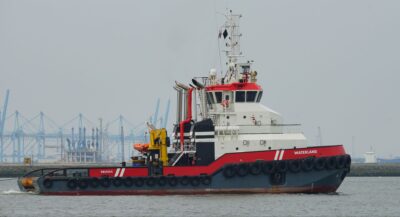
To my knowledge, the actual prototype for the ship is currently part of the Damen Marine Services charter fleet and operates as the DMS Stork. The ship has a few nice add-ons, of which I will quickly mention the two fire monitors, the additional wheelhouse on the flybridge, and a davit with dinghy on the port side. The superstructure has an additional tween deck below the bridge deck and above the forecastle deck. An interesting arrangement of stairs and overhangs, as well as two hinted funnels, give the ship more visual variety. The towing winch is completely installed underneath one of the deck overhangs between the crane and the forecastle deck. The crane installation, which is integrated into the towing winch’s hawser guide, can also be found on this ship.
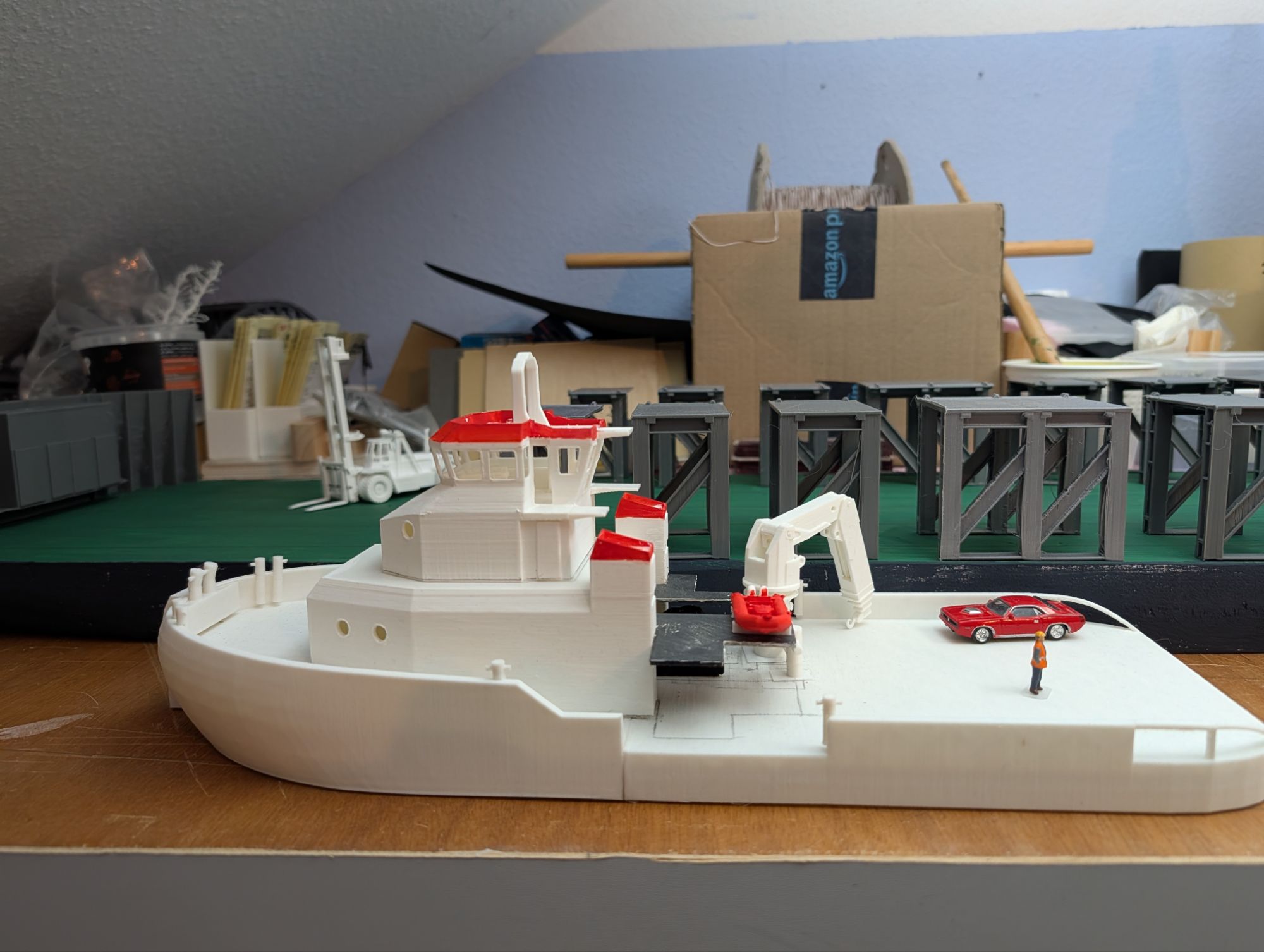
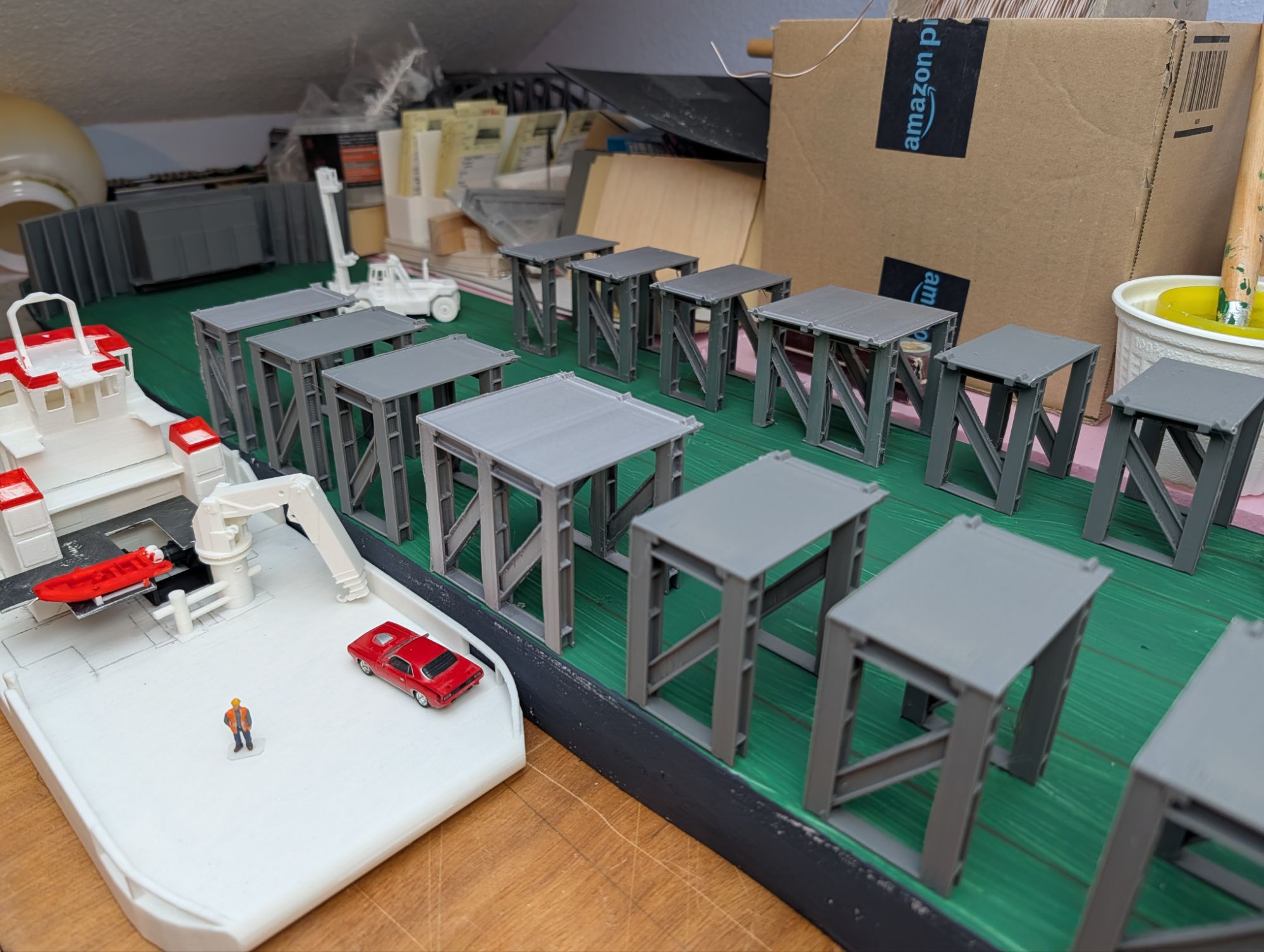
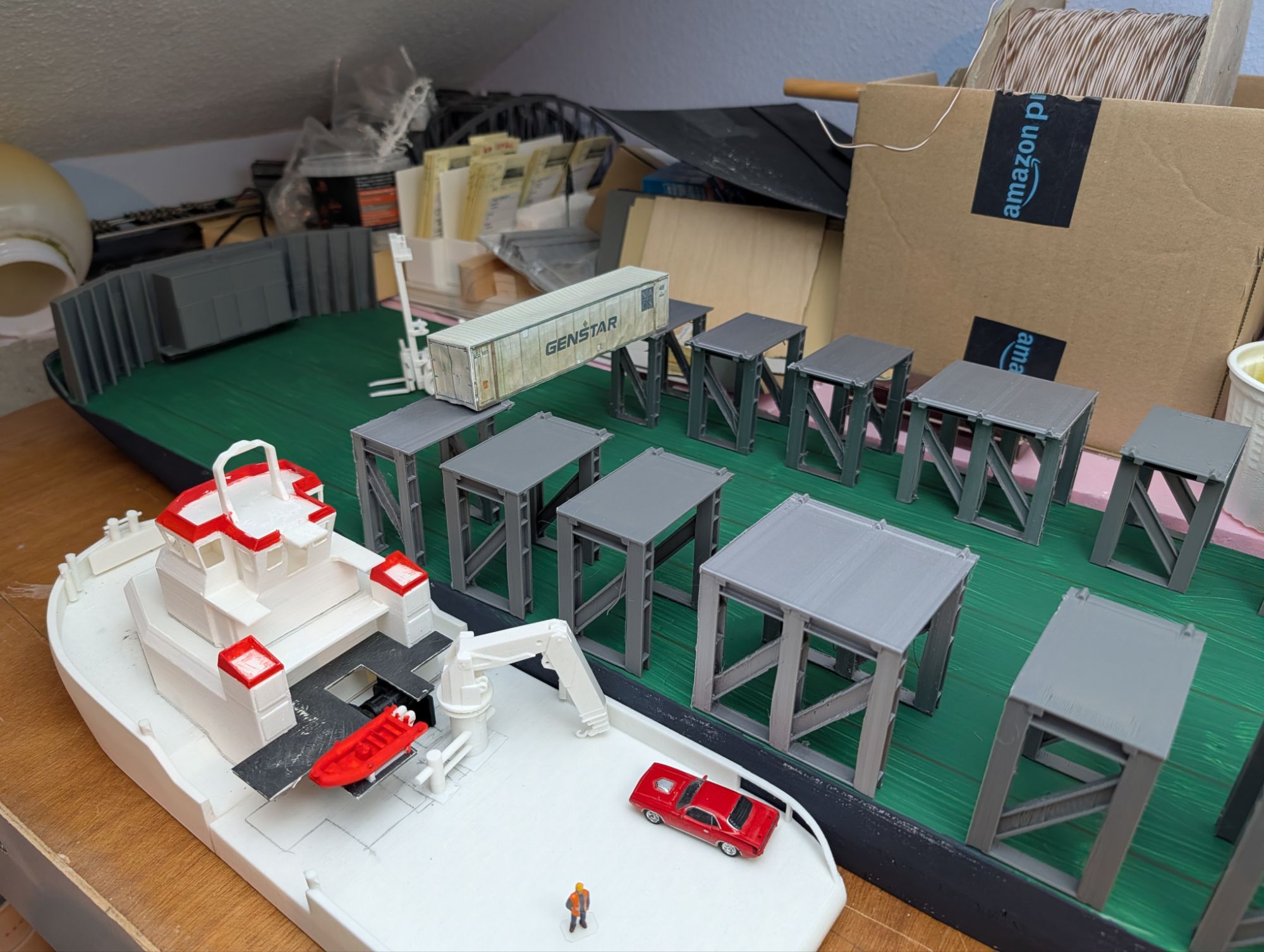
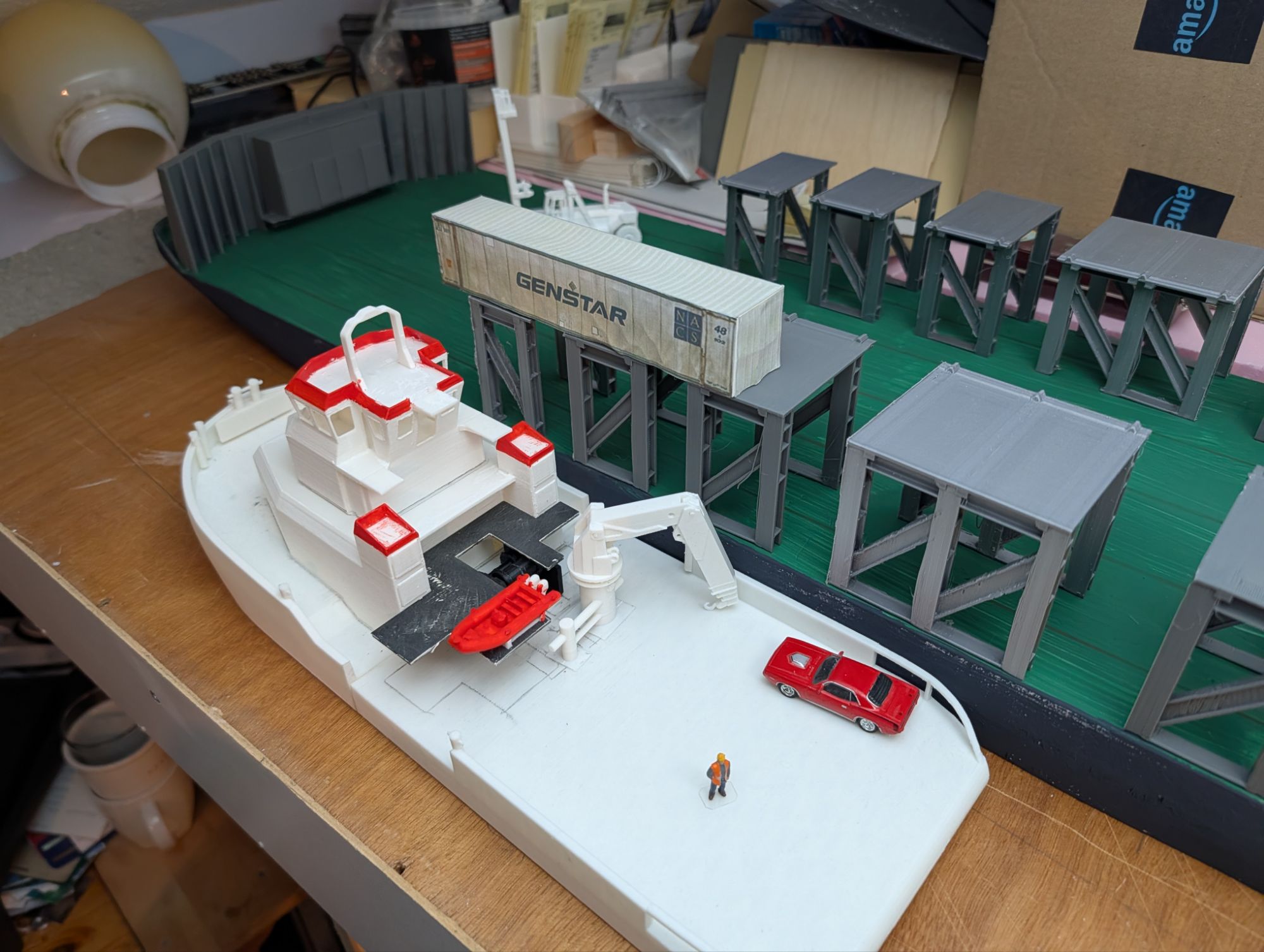
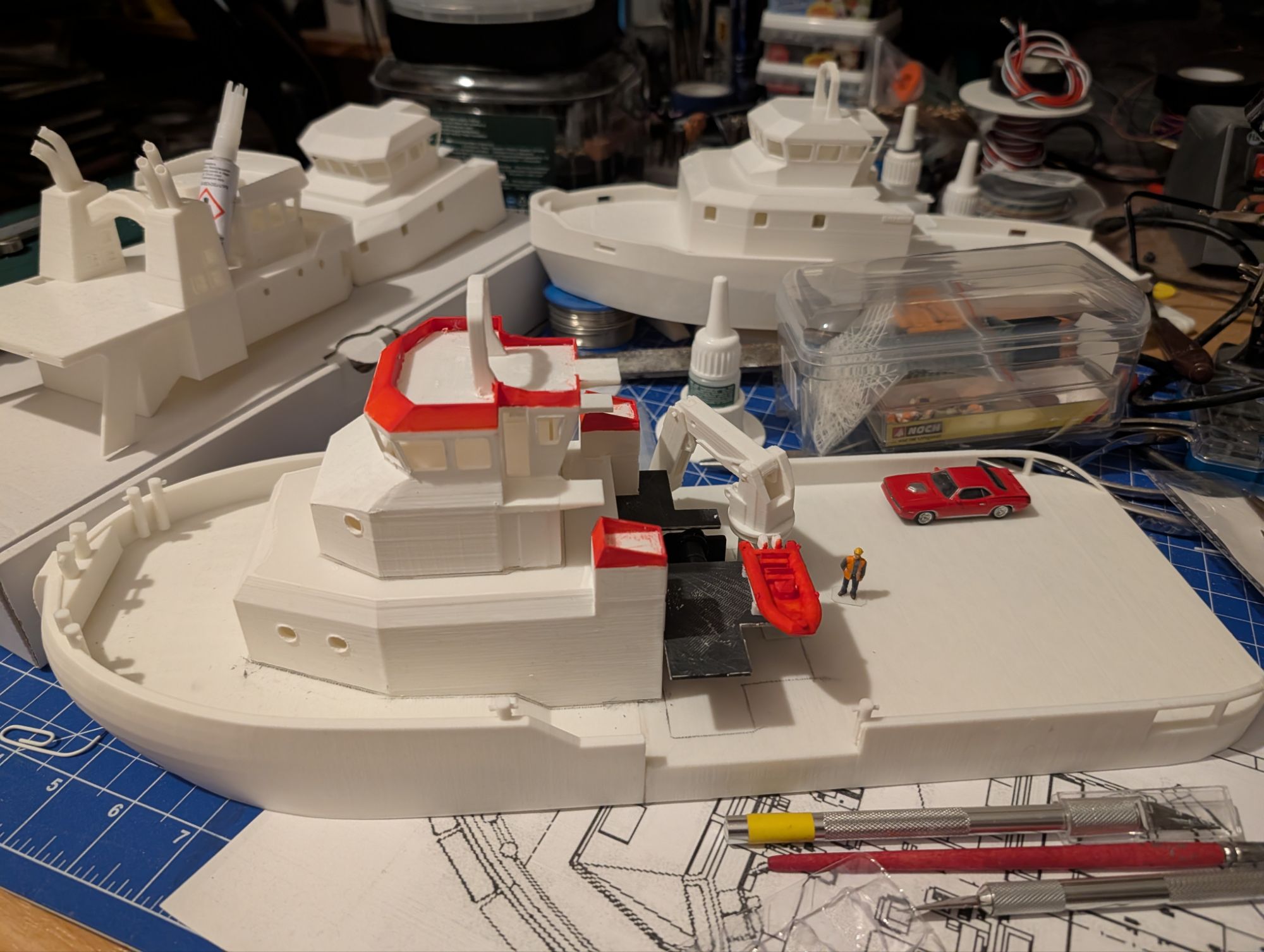
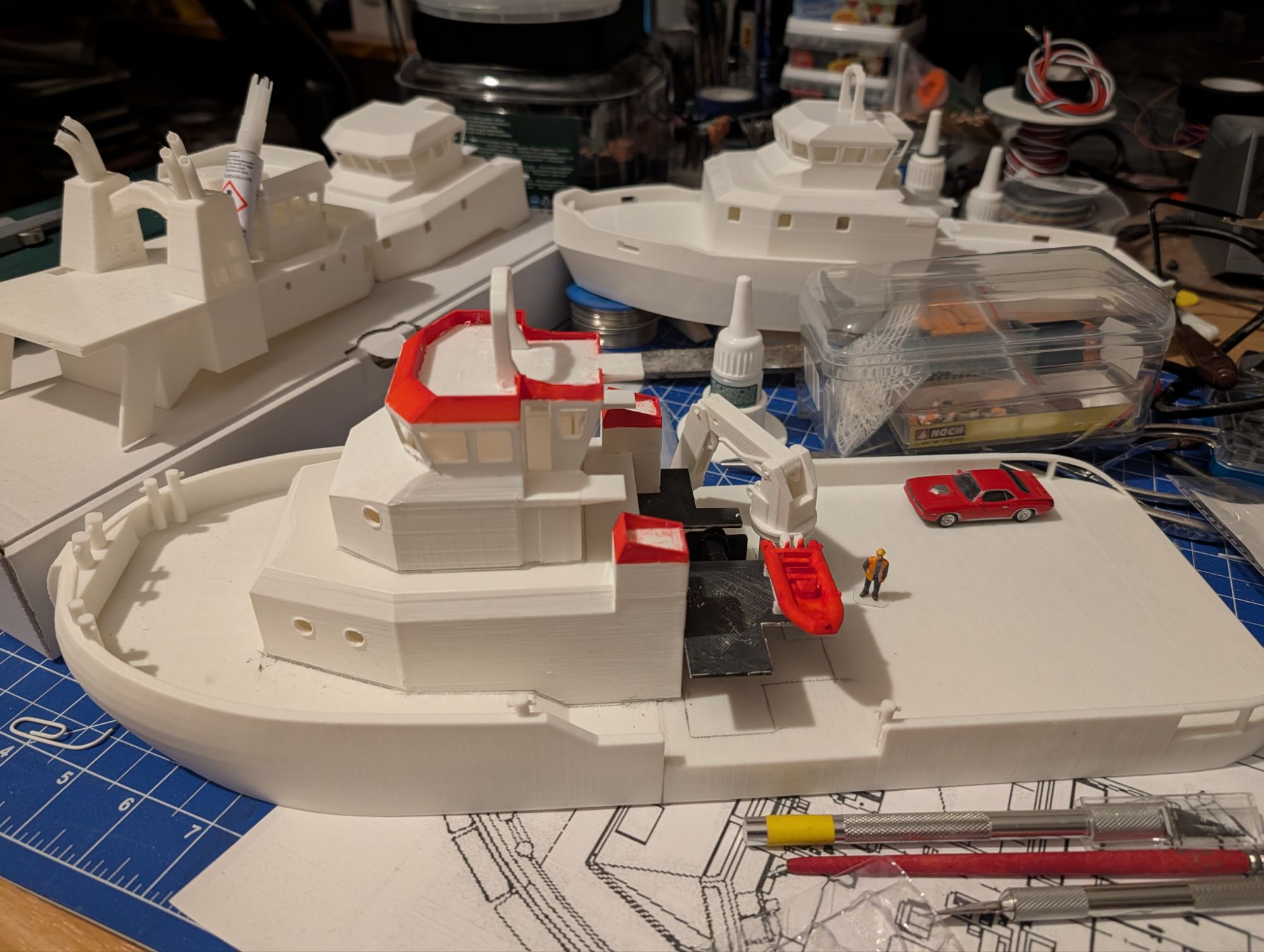
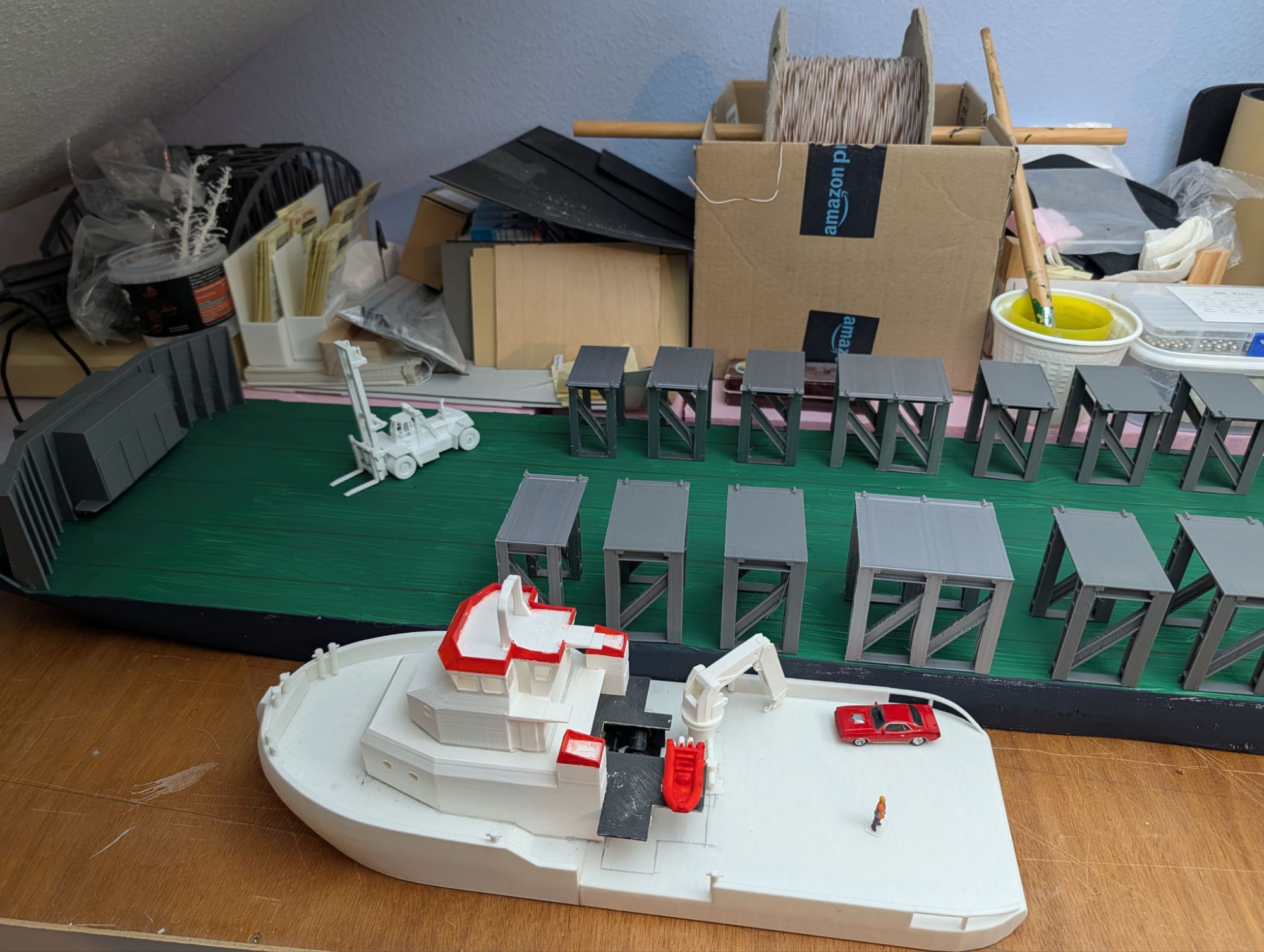
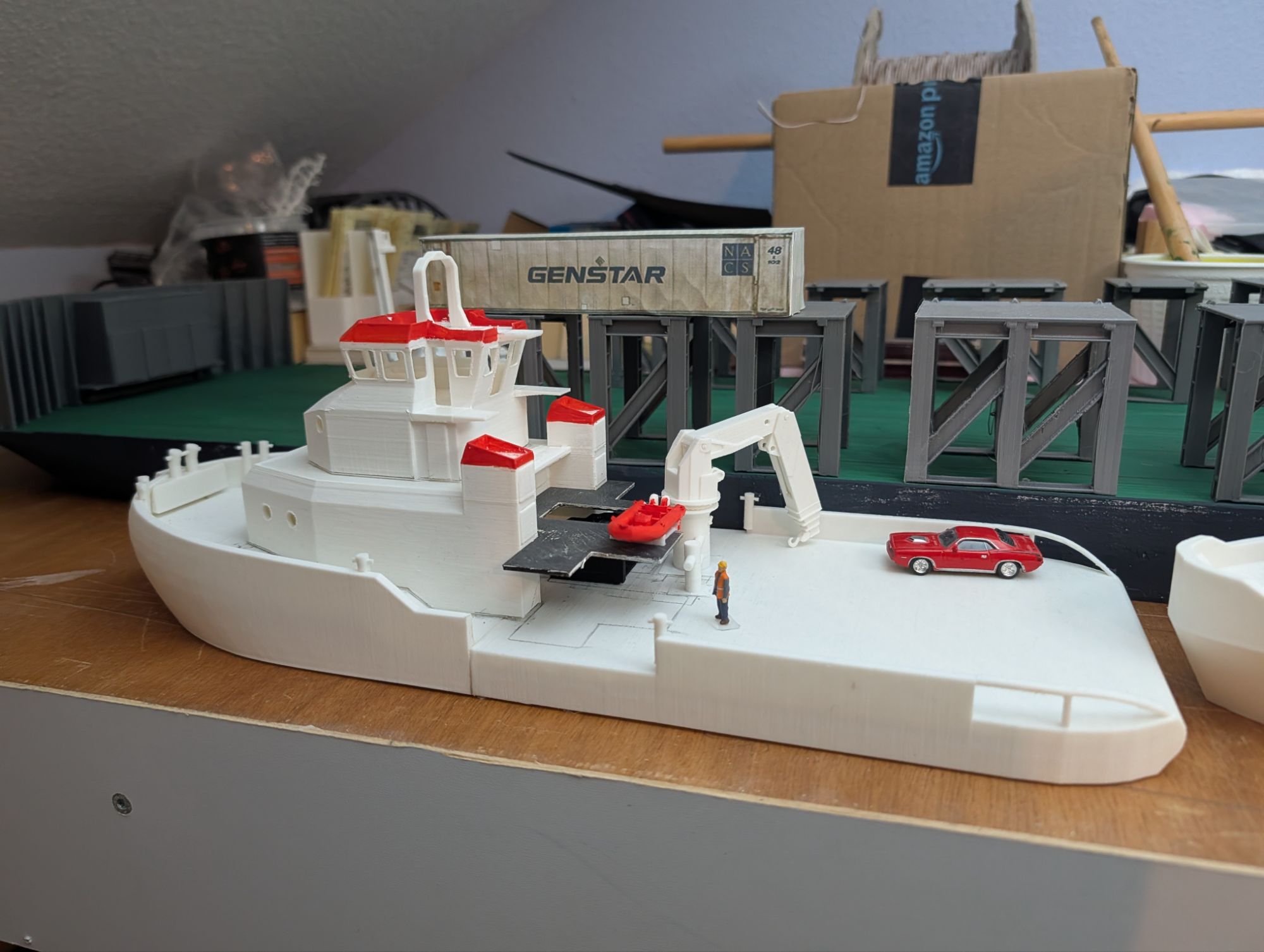
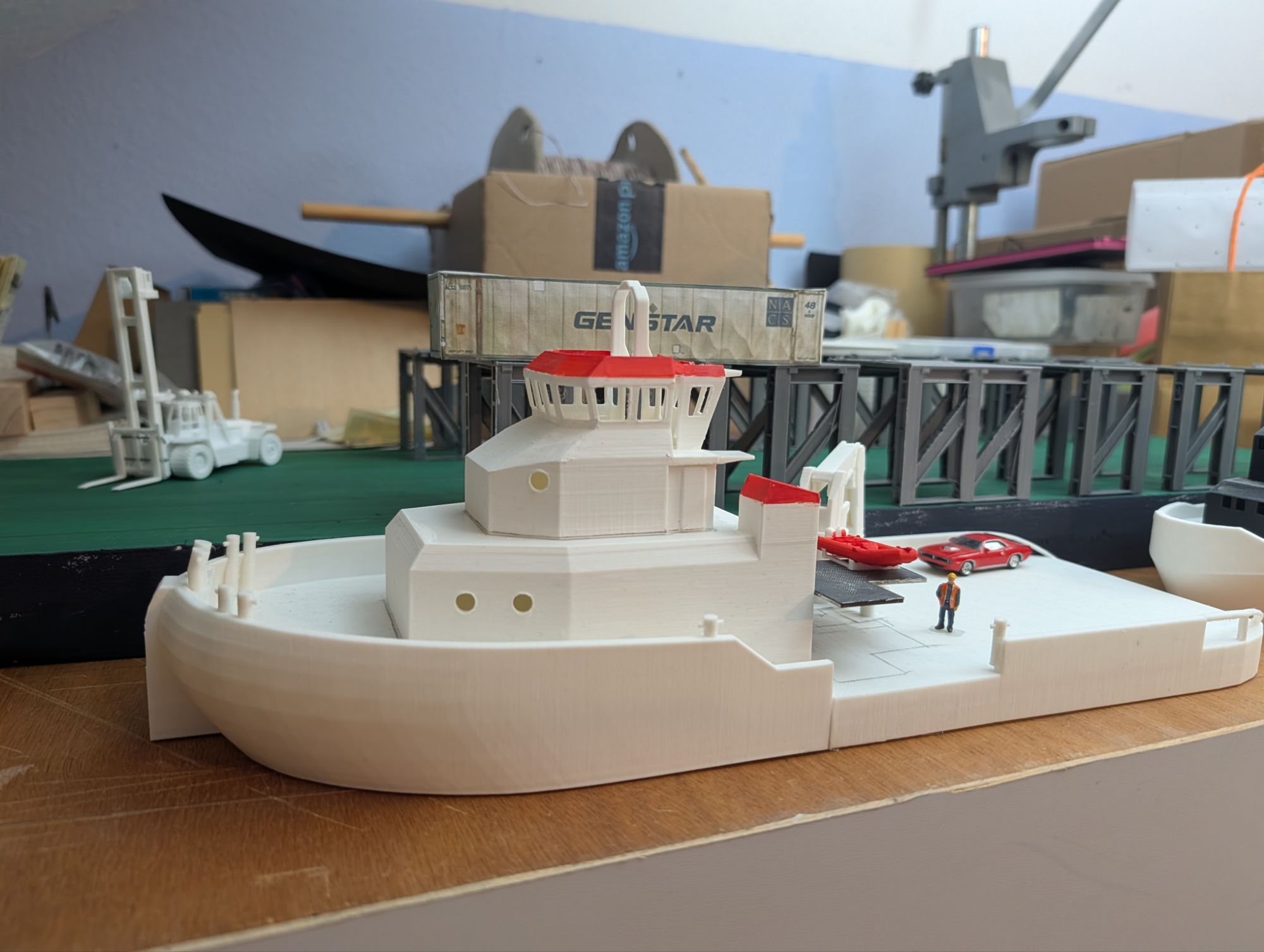
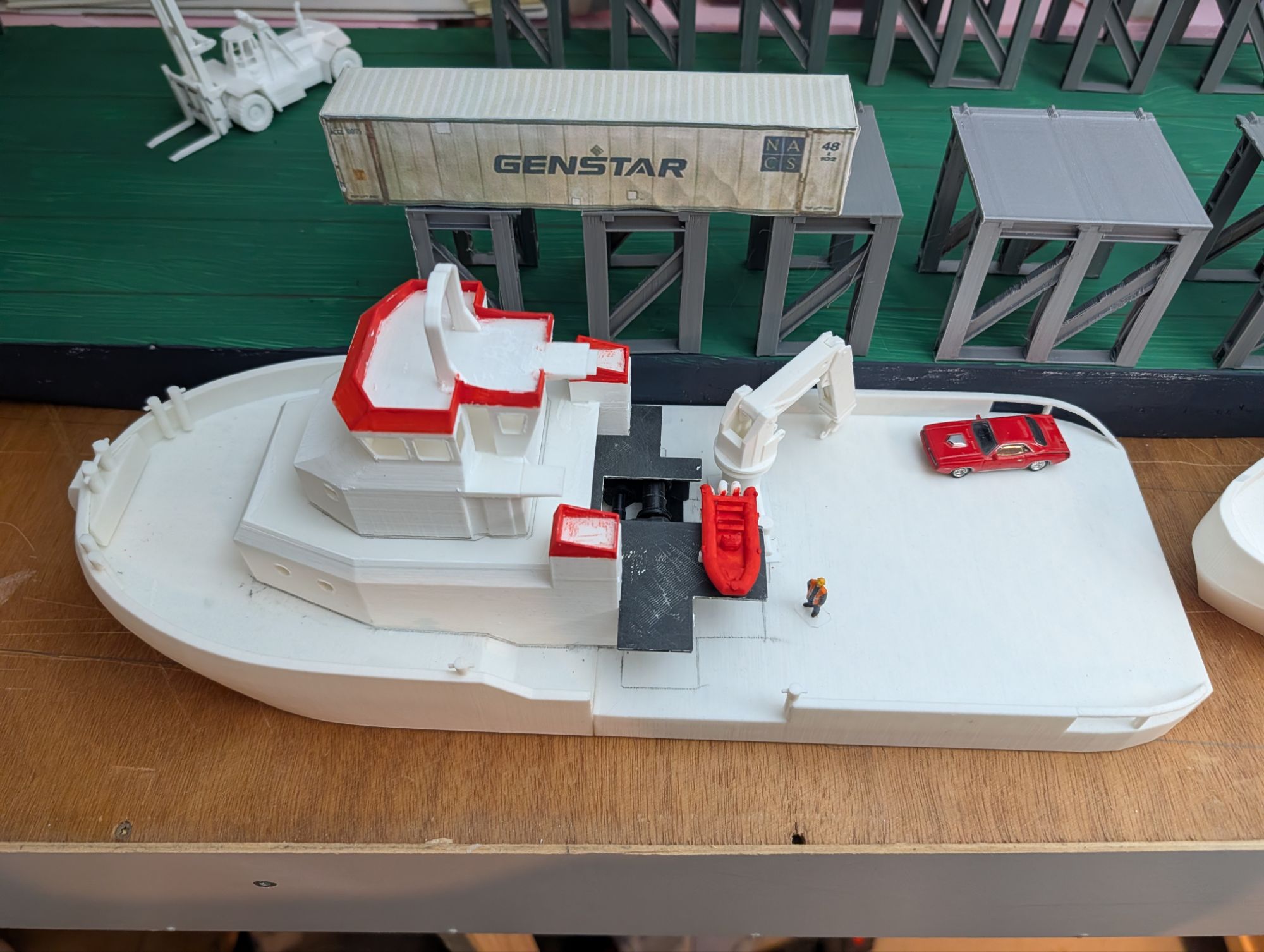
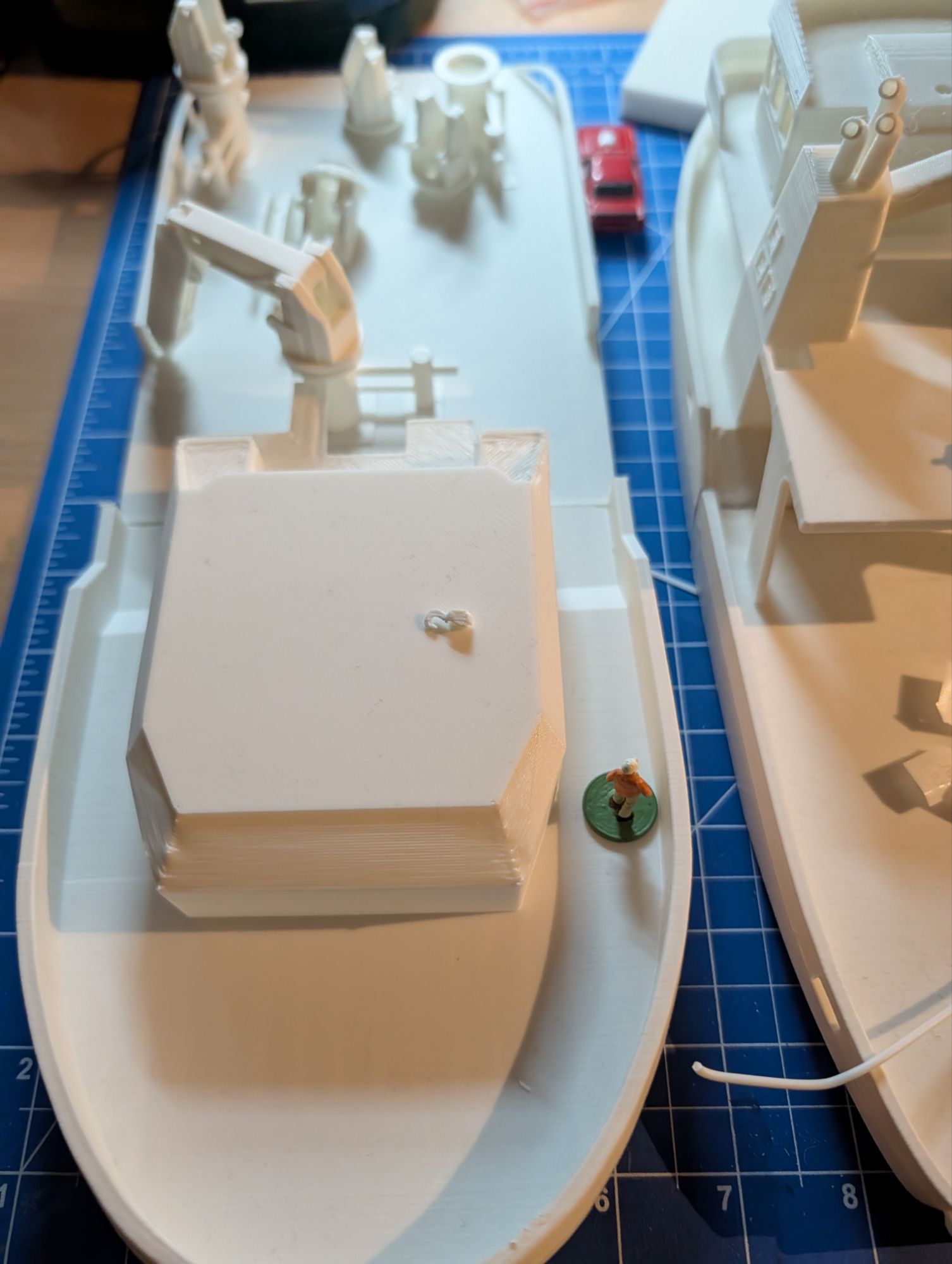
The changes to my model primarily relate to the superstructure which is now more visually appealing, but also more challenging to model. THe following gallery shows the 3D printed parts of the model as it currently sits on my workbench.


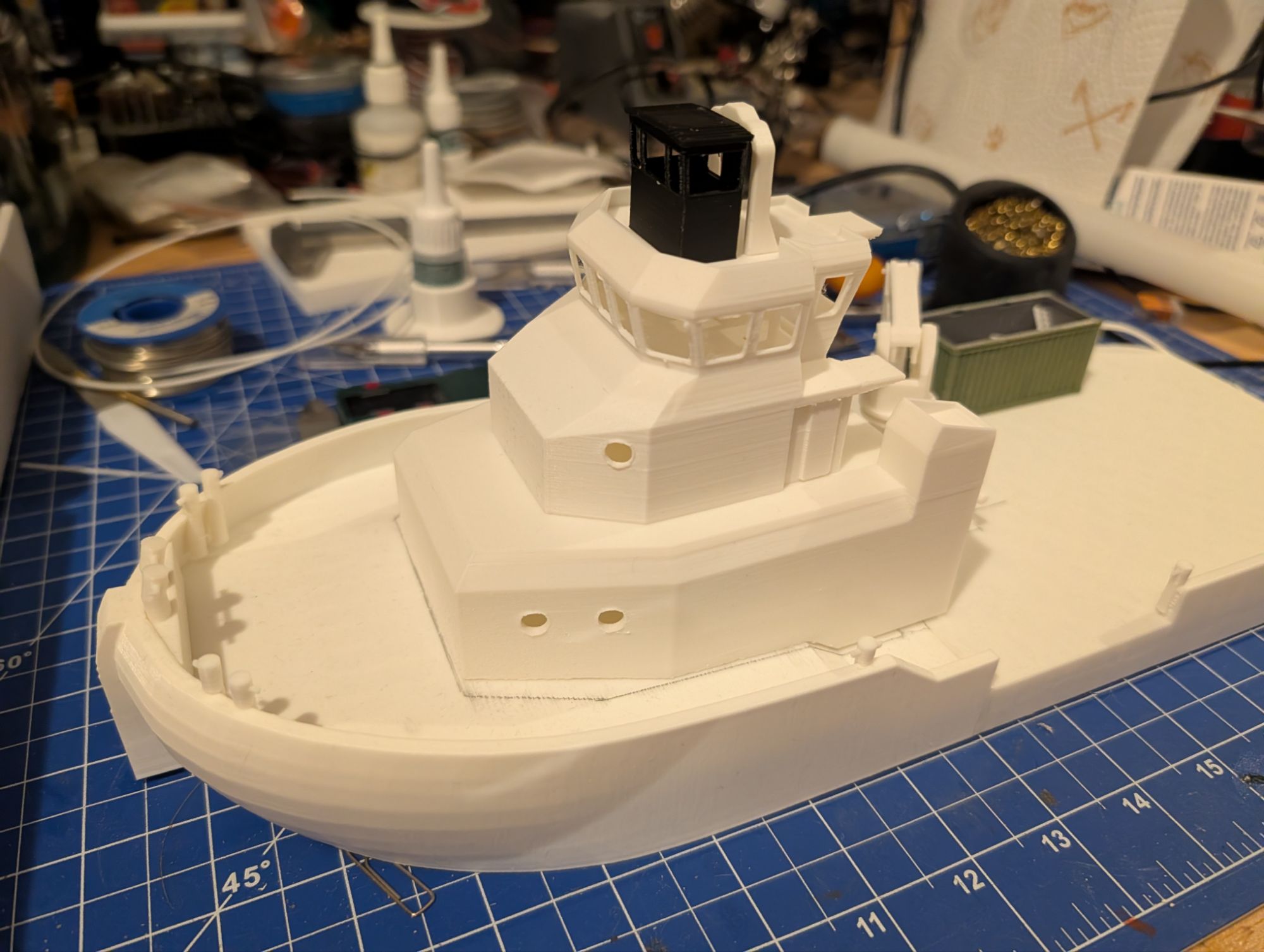

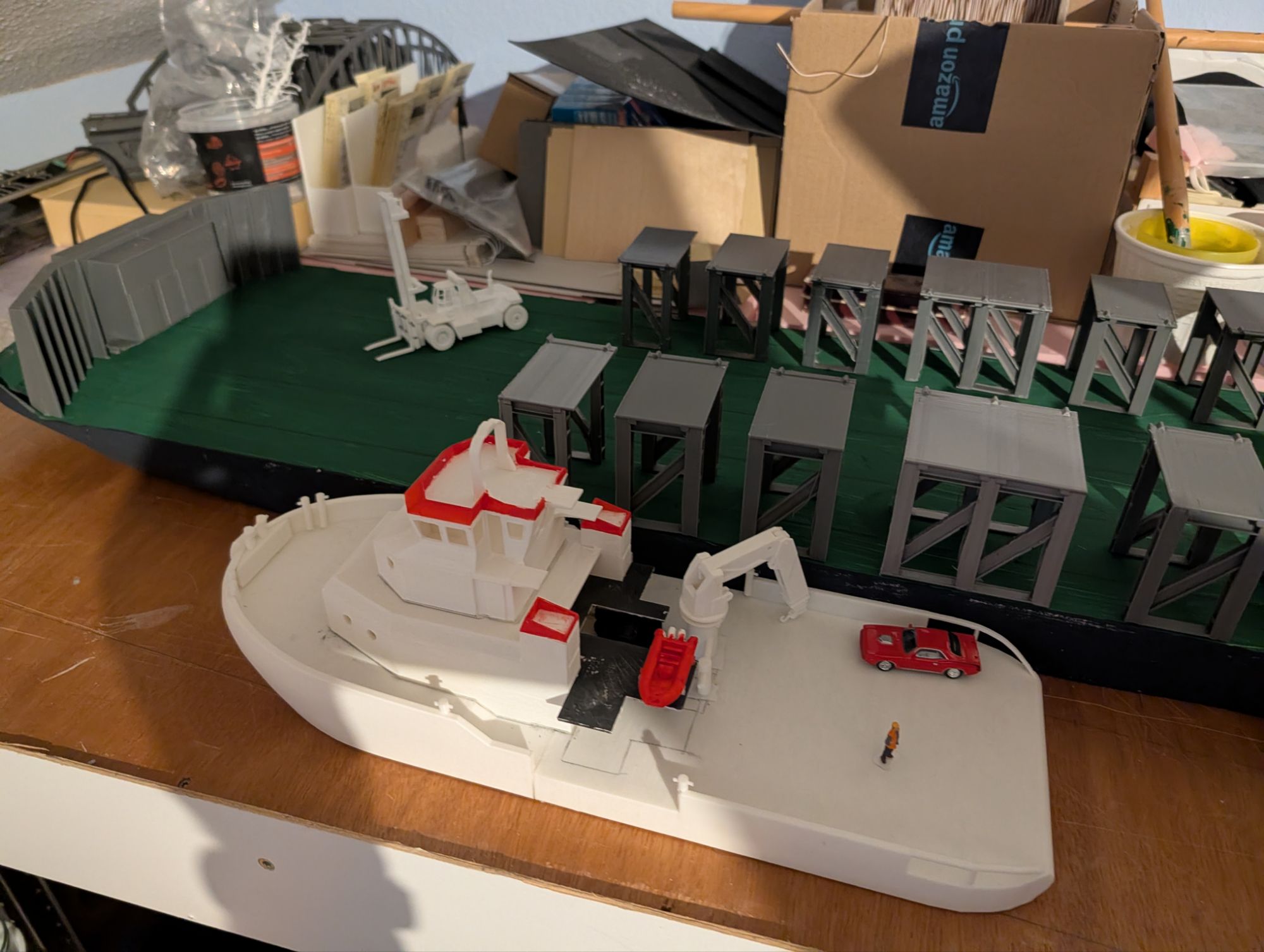
Small progress on the vessel, with preliminary colour testing and assembly.